Most of the Beacon's attention goes to the people nearby. A Beacon notices the mood of a room the moment they walk in, often before anyone says a word. A flat atmosphere bothers them, so they get to work warming it up, and the room usually loosens. They lift spirits even for no particular reason, simply because it feels right.
Comfort matters just as much. A Beacon wants the people near them to feel good, in body and in spirits. They sense quickly what would help, often before anyone asks, and they notice who is tired or left out. They act on it at once, though their own comfort tends to come last.
Their warmth is out in the open. They speak freely, pass news along fast and say what they feel while they feel it. Part of their attention keeps checking how each person is doing. All that checking wears them out when a room is tense.
What a Beacon often lacks is a calm, clear way to lay out what follows from what and what to do first. They're drawn to people who do this steadily and explain how things fit together. Around someone like that, they settle down more easily.
Judgments and conclusions usually rest on what anyone can see and check in the things, tasks and people all around.
A quiet, restrained room strikes the Beacon as full of hidden feelings that are about to surface. They act on the world directly and do a lot with their own hands, without counting on others. They push their own interests and projects openly, and if the first try fails, they try again.
2 of 4
Sensing and intuition
Care for comfort and well-being mostly goes into putting the people nearby at ease and keeping the work running smoothly.
The Beacon thinks in specifics. Comfortable conditions and a reward they can actually feel count for a lot. They are quick to make a new place livable. In things and comfort they value what is well made.
3 of 4
Ethical and logical
A room's mood usually registers at once: how charged each person is and how feelings travel from one to the next.
The Beacon's dealings with people start from how those people feel. They want to be kind to everyone and able to lift people's spirits. They make sure nobody gets hurt or left out, and unfair treatment bothers them deeply. Even in business, they build relationships on feeling and shared values.
4 of 4
Rational and irrational
An opinion of a person or a situation usually forms as a whole and holds until something serious changes it.
The Beacon is calm and sure of themselves when no questions are left open. They tend not to head toward an unknown destination without first finding out what they can, so nothing stays muddled.
The most accurate free test for the 16 Jungian types
Ten minutes, and you'll know your type. The test looks at how you phrase your thoughts. The type in your speech doesn't change, so you only need to take it once. Your result shows the accuracy for each of the four scales.
A cognitive function is one of eight ways a mind takes in and handles information. Each has its own subject, and its position in the order shapes how it behaves. Some functions work by themselves, some wake up only when something is handed to them, and one is a sore spot.
Valued functions
A person treats all four of these functions as their own, but in two different ways. In two of them, the person is strong and self-reliant. In the other two they're weaker, so they gladly accept help and notice people who are strong in them.
Broadly, this function covers how feeling shows on the outside. Think of the mood of a room, how lively or flat it is, and what lifts it or brings it down. In the leading position, it runs on its own all day and takes no effort.
A Beacon reads what people feel from their faces and eyes, and the reading is usually right. They cheer up whoever seems to need it, often for no particular reason. Other people's good news interests them, so they ask about it. They also enjoy being the hero of the day, even briefly.
A quiet, held-back crowd is hard going for them, because they can't tell what the others are thinking. Everyday troubles and annoyances come out quickly and openly, since saying them is the fastest way to be rid of them. Small setbacks can look bigger to them than they are, and they get flustered.
In really hard moments the pattern changes. Then a Beacon may pull away from everyone and go through it alone. Strain held in for long can show up in their health.
Its ground is mainly comfort and the body. That takes in how things feel, whether a place suits someone, and who is tired or unwell. In the creative position, a Beacon uses it on purpose, as a tool for making life pleasant for others.
A Beacon sees quickly what would make a particular person comfortable and what suits them. They move things around, bring in something new and enjoy giving pleasure. When someone helps them back, it's the gesture itself that matters to them.
This has a cost. A flaw in someone else's surroundings bothers them enough that they mention it. The closer the person, the more openly they say so. That's because the mismatch keeps nagging at them until it's put right.
They want pleasant things at once and in plenty. When the real pleasure is out of reach, they make do with asking about it and hearing stories.
In their own surroundings and appearance, the familiar soon gets boring, so they enjoy freshening things up. In things they buy and keep, they value what's solid and well made. A loved one's health gets all their effort until they recover, while their own gets less. If their care goes unnoticed, it hurts.
Much of this function is about possibilities: what might happen, what the options are and which chance is worth taking. In the mobilizing position, it wakes up when someone else offers something. Such ideas rarely start with the Beacon.
An idea or an opening from someone else lights them up. They back it warmly and spread the word. A fresh angle from outside delights them. They enjoy new people, and they're glad of any chance to be the center of attention.
They tend to expect good things and believe in luck. Hearing news, they work out at once what the news means for them personally. They value lucky people and anyone with an unexpected take, and they're grateful for ideas that improve their current work. Ideas that drift from the here and now, or never get finished, lose their interest.
The risk is that hope runs ahead of checking. A wish can start to feel like a fact. Their enthusiasm climbs, overheats and drops, and then they come back down to earth. When they doubt themselves, they tend to bring up past successes.
It's chiefly about how an argument hangs together, which reasons back which conclusion, and where one point stops and the next begins. A Beacon gladly takes this side in from other people and rarely produces it alone.
A well-laid-out explanation wins them over quickly, and facts carry real weight with them. They respect people who reason clearly and put things plainly, and they're happy to listen. They'd like to reason that well themselves and know it isn't their strong point.
A tangled situation looks simpler once a calm person lays it out in clear steps, and the Beacon's own thoughts settle too. They learn best from material laid out as a system, and loose scraps of information don't stick. Without a system of views nearby, they lean on rank and rights and hold to the established order.
When their own case is thin, they get louder and add feeling, afraid they won't manage to defend what they believe. On big, complicated questions, they're slow to decide. Once they've backed an argument with a fact, muddled objections irritate them. Still, they'll listen to anyone who answers briefly and clearly.
Unvalued functions
Here confidence and interest part ways. Two of these functions come naturally, without a second thought and without any need for praise. With the other two, the person goes by the book and doesn't aim for more. But under pressure from others, one of those two is where it really hurts.
This function mostly concerns will and force, from pressing a point and holding a position to protecting what's yours. It's a strong side they rarely lean on, and it works quietly, so they hardly think of it as a talent.
It shows when their interests are at stake. They make it clear early that they won't be pushed around and may defend a position before anyone attacks it. They're fairly good at judging who's stronger, and they avoid fighting someone who clearly is. In an emergency or under time pressure, they become firm and decisive.
Pushback works on them in two ways. Mild resistance makes a Beacon push harder. A really firm answer deflates them fast, and they often laugh it off. They usually move others through feeling and save open pressure for the rare times their own people are threatened.
Weak or passive people irritate them, and they hate looking as if they're giving in themselves. They hear advice out, then do what they'd planned anyway.
They feel free to show their own wishes openly, and they grow wary when others show the same freedom. They enjoy telling how many obstacles they got past and hold up their own path as an example.
In large part it concerns lasting ties between people: who's close, who's distant, what people owe each other and what's fair. This strong side mostly shows up when a Beacon draws a line and says where the limit is.
They repay kindness with kindness and notice when others don't. They remember unfairness for a long time and think it should be raised promptly. Since people measure goodness differently, they often feel they give more than they get.
With strangers they keep a friendly tone and avoid moral showdowns. With people close to them, they call out rudeness right away. They want to come across as well brought up, and arrogance and condescension irritate them. In long friendships they value unselfishness and expect it back, and a partner's reserve or distance wears them down.
Their view of a person follows their mood and can swing fast from admiration to irritation. For them, a relationship holds as long as there's joy in it. When the joy goes, anxiety grows, and they start asking for signs of attention and warmth.
Roughly, this is about how things work and what pays off, such as skill, efficiency and what a process actually delivers. In the role position, it's a part a Beacon can play well when needed, though it isn't home ground.
They slip into a business role on the fly. They can play the host or the one who's up on the latest, and they read what a customer wants. They start any job with a burst of enthusiasm.
They judge quality and price well, know their rights as customers and stand up for them. They know the rules and instructions for everyday jobs and like proven methods.
What takes effort is the dull side of it, like weighing expenses, sticking to a budget and preparing in stages. Strict control feels humiliating to them, and it stings when someone questions how reliable they are at work. They steer clear of overtime that pays little.
Their work gets better when they feel it matters. They want their competence recognized. A clear plan makes them more confident with practical calculations.
Among other things, it deals with time as a person lives it: how long things take, how events connect, where they're heading. In the vulnerable position it's the Beacon's sore spot.
Time is hard for them to get a feel for. They struggle to judge how long a task will take or to plan a day. They often take on too much, and rushing, nerves and fatigue follow.
Waiting, queues, slow talk and idle chatter wear them down. They hate arriving late, and being told they're late or wasting time hurts.
They dread sudden trouble, brush off gloomy forecasts and collect good news. When someone close predicts trouble, they argue, make a joke of it or respond with practical precautions. They don't see far ahead, and they seldom pause to watch how a situation develops and adjust their plans.
Hidden undercurrents between people often escape them, which can lead them to act naively. Past, present and future feel close together to them. When they tell a story, they lay out events in strict order, as if the listener might not connect them.
See yourself in this? That's only the beginning
Recognizing yourself in a description and not knowing where it comes from is normal. The Premium Profile explains it in 11 chapters and about 60 pages. It covers what drives the Beacon, and how they feel, communicate, love, work, learn and grow. What once looked like a habit becomes easier to understand.
Through the visible side of feeling (Ethics of Emotions), a Beacon picks up how each person is doing and is usually right.
Atmosphere is the field they handle most easily, so one well-timed word can ease a tense moment.
Their feel for ease and surroundings (Experiential Sensing) shows them quickly what a particular person needs.
A feel for the body's well-being lets them spot when someone close is run down, though their own health gets less thought.
Their feel for what people owe one another (Relational Ethics) makes them watch that nobody is left out or wronged.
A quiet capacity for will and force (Volitional Sensing) makes them firm when they or their own people are pushed.
Weaknesses
Their openness to chances (Intuition of Possibilities) can make a wish feel like a plan, and the letdown comes later.
Reasoning (Structural Logic) isn't where they shine, and when proof runs out the argument gets louder.
Business efficiency (Practical Logic) is a part they play on demand, and a heavy heart makes the job go wrong.
With practical calculations, they often doubt their own skill in private while looking businesslike on the outside.
Structured reasoning isn't a strong side, so a complicated choice takes them a long while to settle.
A weak sense of how long things take (Temporal Intuition) lets the day overfill, and uncertainty adds anxiety.
Beacon careers and money
A Beacon does well where people need to be brought together and kept in good spirits. They help a team enjoy working together and like to organize shared events. Long-range strategy and technical depth are harder for them, and cutthroat competition wears them out.
They work fast and start out full of enthusiasm. They lose interest quickly in work that isn't their calling. They like to get things done themselves, and fast. They like familiar rules and tested methods, and with small tasks they're glad of help.
A Beacon needs emotional contact with the people around them. If they like their colleagues and find the work interesting, they'll work for little more than a thank-you. With a boss they're careful, and they respect people who are independent and will defend their view regardless of rank.
As a leader, a Beacon builds a friendly team and works alongside it, routine tasks included. The long view is where they slip, and they get bogged down in detail, so a narrow area suits them best. If the person responsible isn't around, they just do the job themselves.
Recognition and good standing in the group drive a Beacon. Being liked by everyone and setting the mood matter to them. Unresponsive people, overload and sharp criticism drain them.
A Beacon spends according to mood and on sudden whims, so money is plentiful one month and tight the next. They want to enjoy things and keep their money too. When funds run low, caution kicks in. In their own business they want profit and full freedom, and in a job, recognition and stability.
Love and relationships for the Beacon
A Beacon closes the distance fast and makes the first move themselves. They're looking for something serious and lasting. At first, they're won over by someone who's attractive to them, listens closely and has a quick mind.
At home a Beacon gives warmth, generosity and care, and an ordinary day can turn into a small celebration. Their partner's comfort and health are seldom far from their mind. Monotony irritates them even in a good relationship. For many Beacons, family is the center of life, and they'll risk their own standing for people they love.
What wounds a Beacon most is a partner who stays closed, won't share or cuts a conversation short. Being mocked when they expected thanks hurts too. Their jealousy grows from a fear of losing their special place.
Their feelings come out openly and vividly, through gifts and attention as well as words. A Beacon wants to hear the same in return. Behind a reproach about how much they've given there's usually a fear of being left without warmth. They share everything and like to know everything, which can be hard on a partner who keeps things private.
Their quarrels are loud, flare up quickly and cool down just as fast. A Beacon is usually first to make peace, with an embarrassed apology, some care and reassurance. Pushback doesn't settle them right away, but a really firm rebuff drains them and can leave them flat for a while.
In a long relationship, a Beacon looks for a calm partner who explains how things fit together and keeps life in order. With such a person, they stop keeping score and feel protected. A fresh idea from them now and then is welcome too.
Who the Beacon is confused with
Herald (ENFJ)
The Herald (ENFJ) is the type people mix up with the Beacon most often. Both are expressive, and both set the tone of a room. The Beacon warms the moment and wants everyone to feel good right now. The Herald senses where events are heading and rallies people in that direction.
Their moods differ too. The Beacon keeps things bright, flares up and cools off fast, and steers away from bad news. The Herald is at home with a serious note and can sit through a tense pause.
Duke (ESFP)
The Duke (ESFP) can look a lot like the Beacon. Both are lively, sociable and easy with people, and both know how to present themselves. The Beacon gets caught up in people's feelings and the mood, closes the distance fast and likes to share everything. The Duke relies on will and presence, keeps more distance and guards personal matters.
If you're torn between two types, there's one way to settle it: a type assessment from your speech, recorded or live.
Some people feel easy to be around from the first hour, and with others every conversation takes work. Below, the Beacon meets all sixteen types, one card each, seen from the Beacon's side. The blog has detailed articles on every pair.
A Grandmaster understands what the Beacon is doing and why. They take in the warmth and see the care behind the small things done for them. When the Beacon rushes or presses, the Grandmaster slows things down and says calmly what they themselves need. The Beacon usually eases off.
The Catalyst's ideas and range of knowledge draw the Beacon in, and the Beacon's warmth and good taste draw the Catalyst back. Their rhythms differ. The Beacon wants an idea carried to a result, while the Catalyst is already enjoying the next. The Beacon offers treats as rewards, and the Catalyst hopes for care with no strings attached.
Both put warmth and comfort first, so talk about people flows easily. They complain in different languages: the Beacon about not being listened to, the Harmonist about not being helped. The Beacon likes to clear the air with a long talk. The Harmonist steers the talk toward something practical, so little gets settled.
Two Beacons share tastes and feelings and talk with ease. Each expects a big, warm response, and so much enthusiasm can tire both. Each would sooner tell than listen, and neither gives ground on money or in a clash of wills. At its best the pair works like teacher and student, with respect and kindness for anyone who needs it.
Both can change a mood with a joke, but the Sentinel dislikes being laughed at. The Sentinel brings up dark topics and warnings, and the Beacon feels robbed of the fun. The Sentinel's strict taste and firm tone sit badly with the Beacon's love of comfort. Each wants the last word on how things are run.
From a distance the Sage looks like an island of peace and warmth. Up close, the Beacon starts to feel that fun is being taken away in the name of education. Being asked to hold back feels like being pushed out of life, and the Sage expects a lot without saying what. A Beacon whose effort goes unthanked pulls back.
The Beacon is drawn to the Herald's ambition, connections and attentive ear. When a Herald warns of a coming disappointment, it sounds to the Beacon like an attempt to spoil the mood. The Beacon defends their hopes hotly. The Beacon's questions about pleasant things and advice on the Herald's style can leave the Herald feeling examined.
They share a taste for comfort, but the Beacon reaches for what they like and the Overseer is content to look. Money is where they tend to part ways. The Beacon waits for an evening together while the Overseer is absorbed in work, and feels criticism of their effort is unfair. Reproaches follow on both sides.
The Beacon moves toward a Duke fast, with stories, tastes and advice, and expects the best from the acquaintance. The Duke answers firmly, and criticism of the Beacon's taste or work stings, because the Beacon wants their efforts recognized. Reproaches fly both ways until both are tired, and contact usually picks up again.
The Beacon gets attached to a Custodian and finds it hard to let go. They keep asking how things are going in the Custodian's life. To the Beacon, the Custodian's privacy looks like hiding. The Custodian's strict, plain taste dampens the Beacon's wish to enjoy things.
Here the Beacon plays the generous teacher, who gives freely and thinks highly of the Harbinger. The Harbinger takes it in and echoes it back warmly. The Beacon looks after, arranges and encourages, and the Harbinger's thanks warm them in turn. A shrug in reply to the Beacon's worries, or a long talk about nothing, hurts most.
A Warlord's drive and staying power impress the Beacon, who expects things to get settled with such a person around. The Warlord teaches and the Beacon learns. The Beacon wants the best right away and takes a slow pace for stinginess. Being told to talk less grates, and the Beacon softens the Warlord's outbursts with a joke.
The Craftsman is patient, dutiful and a good listener, and also closed and unflappable, which makes them hard to read or advise. The Craftsman gives little, and what comes feels shallow and irregular to the Beacon, who wishes for more depth. The Beacon draws closer, asks questions and tries to steer.
The Flamekeeper's softness and warmth draw the Beacon in, and that warmth is hard to give up. The Beacon gives time, strength and generosity and has little left for their own affairs. Achievements get a dry remark where the Beacon hoped for thanks. When tension rises, the Beacon tends to go quiet.
The Executor puts the work first, and the Beacon feels that family and feelings count for less. The Beacon's care for comfort feels like pressure to the Executor, and the Beacon asks for explanations. Each sees an ideal in the other when they meet only now and then, and living side by side brings the clash.
The Beacon is drawn to the Seer's even, friendly face and hopes to share the fun. When the Seer doesn't light up, it feels like one more problem. Talk of endings and decline stings the Beacon. After a clash, there's a lot of feeling to put somewhere, and the Beacon understands what happened only later.
Famous Beacons
Lakshmia Hindu goddess of wealth, fortune and prosperity, and the consort of the god Vishnu.
NefertariGreat Royal Wife of the pharaoh Ramesses II, whose tomb lies in the Valley of the Queens.
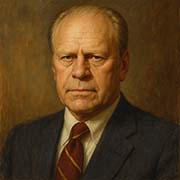
Gerald Fordthe 38th president of the United States, who took office after Nixon resigned.
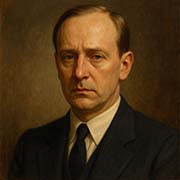
Joachim von Ribbentropserved as the foreign minister of Nazi Germany.
A myth about the Beacon
"The Beacon is loud and shallow, lives for show and can't think deeply."That's the usual line about this type.
The loudness has a job. Open feeling is how a Beacon reaches people, not a performance, and it works: the mood lifts when they walk in. The care behind the warmth is real and active.
Thinking matters to them as well. A Beacon values clear reasoning and listens gladly to anyone who explains well.
Reasoning isn't their strongest side, and they know it, which is why they appreciate those who do it well. The honest price is elsewhere. A Beacon takes in other people's tension, and a heavy evening can drain them. Uncertainty and waiting are what really unsettle them.
Questions about the Beacon
ESFJ is the name MBTI gives this type, along with the nickname Consul. Jung's line writes it as Fe-Si, and in socionics it's Hugo, with the code ESE. All of these systems grew out of Jung's research, and the Beacon is the name CoreTypes uses for the same type. The four pairs behind it are extraversion, sensing, ethics and rationality.
No. The structure of a mind doesn't rearrange itself, and what fills it depends on the person. What changes is how the type shows up, with age, experience and the company a person keeps. Behavior shifts with circumstances, and the type underneath stays put.
A Beacon feels better when the people around them do. Their mood rises and falls with the group's, so a tense room makes them tense and a warm one lifts them. That's why they work hard on the atmosphere. Acting without some emotional contact with the other person is hard for them.
A Beacon expects good things, so bad news and open-ended waiting arrive with no cushion. That's why uncertainty hurts so much. The reaction is a normal part of how they look ahead. What usually helps is a realistic estimate of the time or a clear short-term plan.
A Beacon looks after the comfort and well-being of the people they love, and they often arrange things before anyone asks. They're generous with attention and with things that please. It matters to them that the care is noticed and thanked, and many Beacons are quick to help when someone asks. A gift gives them pleasure whatever it costs.
Knowing a type for sure
A type describes how a mind takes in and handles information. It explains a great deal about how a Beacon senses moods, seeks comfort and takes in ideas. It says little about upbringing, health, skills or the choices a person makes. Two Beacons can lead very different lives.
The doubt won't go away on its own. A type assessment from your speech settles it
You can reread the page, you can take five more tests, and the doubt will still be there. Start with our free ten-minute test. If you still have doubts after that, a type assessment from your speech settles the question. For good.
The Premium Profile ($10) has 11 chapters and about 60 pages. They cover what drives the Beacon and how they work, love and grow. Master Relationships ($30) is two books. A Relationship Guide to the 16 CoreTypes covers the Beacon's pairs with every type. A Field Guide to the 16 Types teaches recognizing a type from speech.