The Flamekeeper's attention goes first to where things are heading. They see what stage a situation has reached, how fast it's moving and whether the right moment has come. Time feels elastic to them, something that stretches and shrinks. They can make a good moment last.
Right behind that comes a feel for mood. They read a room quickly and often shift the atmosphere on purpose with a joke or a warm word. People like having them around. They stay calm, sometimes a little dreamy, and all the while they keep reading the situation.
Decisions come when a situation feels ripe. Until then they can seem to be doing nothing while they weigh what comes next, and then they act suddenly. They may hold back a final answer long after they've privately made up their mind. They avoid concrete promises and leave room for hope, so setbacks tend to feel temporary.
Reading people and sensing the right time come easily. Starting, counting, checking and keeping order take real effort, and they often lack the push to get going. So the Flamekeeper is drawn to decisive people who take charge and say plainly what needs doing. Someone else's strong wish can get them moving, and so can a clear plan from outside.
An inner feel for the links between things shapes perception, and it usually holds even when outside signals disagree.
An outside voice saying otherwise rarely talks the Flamekeeper out of what they feel inside. Their attention goes to how things connect, to the way one event, person or mood bears on another. They prefer to influence things through those links, by shifting a mood or waiting for a connection to form. They take direct action less often.
2 of 4
Intuition and sensing
Left to itself, attention drifts to where things are heading, how one event sets off the next, and what shifts over time.
Hunches, images and turning points matter to the Flamekeeper. They think in pictures, and metaphors come easily. The future they imagine is often bright, and they can make others see it too. Doing the same thing over and over wears them down.
3 of 4
Ethical and logical
Passing a mood on usually comes naturally when needed, whether to ease tension, lift spirits or liven up the people nearby.
When the Flamekeeper's attitude changes, so does their judgment. Their opinion of a person follows how warmly they feel toward them, and a rule carries less weight when sympathy says otherwise.
4 of 4
Irrational and rational
Thoughts tend to flow into one another, jump around and loop back, and interest catches fire here and there.
Turning to something unplanned comes easily to the Flamekeeper and doesn't feel like letting anyone down. Interest comes alive for some things and stays dormant for others.
The most accurate free test for the 16 Jungian types
Ten minutes, and you'll know your type. The test looks at how you phrase your thoughts. The type in your speech doesn't change, so you only need to take it once. Your result shows the accuracy for each of the four scales.
A function is one of the eight channels a mind uses to take in and handle information. Each one sits in its own position, and the position decides how natural it feels and how much effort it takes. Below are the Flamekeeper's eight in order, starting with the one that feels most at home.
Valued functions
A person treats all four of these functions as their own, but in two different ways. In two of them, the person is strong and self-reliant. In the other two they're weaker, so they gladly accept help and notice people who are strong in them.
This function mostly handles the sense of time passing, including how fast things move and how one event leads to the next. It's the leading function, the part of the mind that works most naturally, with hardly any effort.
They sense when something is still ripening. They also notice early that a critical point is drawing near. This gives them a steady sense that there's enough time and that bad stretches pass.
They may deliver grim news with a smile. They care how feelings and relationships develop over time and trust their premonitions, so they tend to sense falseness quickly. Shifts in public mood reach them early.
Worry often runs ahead of events, though it rarely shows. What hurts most is a big, bright plan falling apart. It's hard for them to see their own actions from the outside, and they're quick to find reasons they were right.
Memory and daydream blend together. They replay what happened and picture how it might have gone differently.
Their forecasts don't always come true. This sense carries them along in time and away from daily detail, though now and then a forecast does come true. With other people they tend to set the tempo, and a tense person around them slows down.
This one has to do with feelings that show, including the mood of a room and how strongly people feel. As the creative function, it's the second strongest, and the Flamekeeper puts it to work on purpose.
They can switch their own feelings on and off at will, and their outbursts pass fast. Other people's tone is a different matter. A cold voice or a look can ruin their whole day. Being laughed at for their feelings is among the hardest things to take.
They warm a gathering, lift people's spirits and make a person feel interesting. They tune in to whoever they're talking to. If they can't make a connection, they grow alert and look for the reason. A joke, persuasion or an emotional push can also nudge people toward an action they hope for, and it comes from sincere feeling.
They know when to approach someone with a request and when to leave them alone. In a quarrel between two people, they'll often speak well of each to the other.
They present a mood almost like a small performance. When nobody responds, they switch to another mood, just as vivid. Underneath a soft smile there's often worry. Being the center of attention among familiar faces is a pleasure for them.
Structure is the main field here, meaning how a situation is built and how an argument holds together. In the mobilizing position it's a need the mind has trouble meeting on its own. It wakes up when someone else supplies the material.
Left alone with it, the Flamekeeper struggles to define a term in their own words or get through a theory exam. Long chains of reasoning are hard to follow. A flaw in their own thinking can slip by, so they may contradict themselves and still feel the argument holds.
In a dispute they often shift the ground to relationships and feelings. When facts pour in, they may fall silent for fear of looking uninformed.
It's different when someone hands them a ready-made scheme, a plan with a clear end point or a tidy classification. They take it in with curiosity and enthusiasm, especially if it leaves them some freedom. Clear logic that explains something complicated in simple steps delights them.
Confusion brings their mood down, and so do petty control and heavy regulation. They gather information from many sources, pick through it carefully and keep the valuable pieces to themselves.
This function deals largely with willpower, meaning the push to press ahead and hold a position against resistance. In the suggestive position, it's an area where the mind welcomes help gladly.
The Flamekeeper looks for this strength in others. They seldom use force themselves and tend to stay out of contests of strength. A dare rarely works on them.
Beside a strong, decisive person they relax. Being part of something strong brings them joy, and so does feeling needed there. A clear boundary from someone they trust feels like a wall at their back. So does a rule that applies to everyone. Where nothing is fixed, they feel uneasy.
Starting something alone is hard. They wait until someone else really wants it done, and then that person's wish drives them as if it were their own. They avoid open conflict and compromise to head it off. They speak up only when firmness turns into domination, and then they call it crude.
Under a hard push they shrink and go quiet, feeling small and unprotected inside. They don't hide weakness. Asking for help, or letting it show, softens other people's pressure and keeps them from being taken over. Strong people draw them in, though sometimes the strength turns out to be just for show.
Unvalued functions
Here confidence and interest part ways. Two of these functions come naturally, without a second thought and without any need for praise. With the other two, the person goes by the book and doesn't aim for more. But under pressure from others, one of those two is where it really hurts.
Lasting ties between people are the main theme here, meaning who is close and who can be counted on. In the demonstrative position it works in the background. They use it freely, but they don't set much store by it.
When a friendship begins, the Flamekeeper is kind and hospitable and quick to admire a person's talents. They don't insist on moral rules and leave it to others to judge how people behave. Their idea of right and wrong in relationships is simple. It rests on how someone acts and how warmly the Flamekeeper feels toward them.
In a partner they value strength, certainty and a sense that the person is moving forward in life.
They also judge fast, and fairly accurately, what a partner is capable of, and they shape the relationship by that conclusion. They don't like putting a label on a relationship unless they have to. A fixed label seems to cap something alive. Dependable bonds draw them, and they work hard to keep them.
Hostility hurts out of proportion, whether it's aimed at them or at someone else. Being reproached for how they treat people stings, and they rarely find words to defend themselves. Under pressure they pull away and need a long while to come back.
This function is mostly about alternatives, meaning what could turn out differently and what a person or situation might become. In the ignoring position the mind can use it but sees little point in it, so it stays at arm's length.
The Flamekeeper doesn't go hunting for options. Sorting through alternatives feels slow and dull, and their main sense of direction already tells them what matters. Even so, this function quietly does its work. They see quickly who someone could become and what that person wants.
They keep a lot of information about the people they know and update it all the time. That's why they often seem to be in the know. From the ideas on the table they usually choose the most promising one.
They probe a situation to find its critical point. They can sharpen a crisis or soften it, bring it nearer or put it off.
Under strain, this shows up as a fear of missing a chance that someone else is taking right now. Part of them wants to be in several places at once. They're careful with favors and slow to share valuable contacts. Being asked outright to put in a good word for someone annoys them.
They have a wide circle of acquaintances. Stories about those people's talents make them happy.
This function mainly covers bodily comfort and the feel of one's surroundings, from food to clothes. As the role function it works when called on, at a passable level, and rarely feels natural.
The Flamekeeper takes in beauty through mood. A thing is lovely to them if it stirs a feeling or an association. That's why music, poetry and theater go straight to their heart. When it comes to looks, their taste tends to follow what their surroundings find beautiful.
In public, appearance matters to them. Form and ritual matter to them on important occasions.
Order at home is harder. Their enthusiasm for it cools at the first difficulty, and housework often drifts to someone who likes organizing. Strict, detailed demands about household duties make them angry and sometimes lead to a row.
The body's signals are difficult to read, and attention to health swings between neglect and worry. Familiar comfort steadies them, and giving it up comes slowly. They take real pleasure in a nicely laid table with guests, while loud or crude places repel them.
The concern here is practical efficiency, meaning what a job costs, whether it works and who checks it. In the vulnerable position it's the weakest spot, and it takes the hardest knocks.
Counting costs, budgeting and keeping accounts don't come easily, and routine tends to get dodged or done loosely. They can lose the main point in the details. Papers and figures go missing, and inadequacy creeps in.
They're wary of making specific promises at all, yet the ones they do give tend to be forgotten or were made without much thought. A commanding tone and routine assignments irritate them.
Taking ownership of the result is hard too. The Flamekeeper would rather share responsibility or hand it on, and a decision that rests on them alone tends to drag.
Criticism of their competence is especially hard to hear. Being told to redo work after someone else's mistake stings the same way. Under heavy pressure in this area, deep doubts about themselves come up, and they may not know how to explain their own motives.
All of this concerns one area of life. When they want something and the conditions suit them, they manage whatever is needed.
See yourself in this? That's only the beginning
Above, the Flamekeeper is sketched in broad strokes. The Premium Profile takes the type apart in 11 chapters. It says what moves a Flamekeeper and what they fear, how they handle stress, talk to people, love, work, learn and grow.
It's 60 pages of plain talk, and after them you can see where the things you've long noticed in yourself come from.
The part of the mind that tracks time tells them when a situation has ripened.
Their feeling for atmosphere warms a room and lifts spirits, and it works best when people respond.
The side that reads emotions smooths over quarrels and calms tempers.
The part that weighs possibilities quickly sees what a person could become, and it keeps track of a wide circle of acquaintances.
Their sense of direction finds the next goal that's worth working toward.
The side that handles beauty and comfort shows in how they dress and how they host.
Weaknesses
Practical calculation is their weakest side, so budgets get little attention and hard decisions get passed to others.
The willpower side needs someone else to really want a thing done before they move.
The structure side struggles with long reasoning, so a debate drifts toward feelings and their own case often goes undefended.
The side that handles comfort and order runs out of steam quickly, and strict demands for tidiness make them angry.
The sense of time pulls them into their own story, and they tend to defend their choices.
The side that tracks bonds between people reacts badly to hostility, and they withdraw for a long while.
Flamekeeper careers and money
Long-range questions suit the Flamekeeper, who senses where a project is heading and what the next goal should be. Two roles fit them best. One is the person who can feel how things will turn out, and the other keeps people in tune and settles disputes. They can also close a business deal.
Their working energy comes in bursts, and mood decides when. They do best at their own pace, in a workplace where roles and expectations are clear. In a crisis they usually turn cool and collected, though the dread beforehand can be worse than the event itself.
In a team the Flamekeeper brings harmony and helps reconcile interests, and they work steadily where personal relations are good. They warn early that hostility will wreck the work. With a boss, they respect strong people who give clear instructions, and they like praise and moral support.
As a manager, the Flamekeeper builds personal ties and puts good relations first. Unpopular decisions are hard to make alone, so they tend to share responsibility. They keep control low-key and rely on foresight and on people they trust. A small group in a clear hierarchy suits them best.
An interesting task keeps them going for a long time, even with no reward on offer, if the prospects look good. A dry joke from a colleague helps. Time that someone forces on them for no clear reason drains them, and they argue that it's unnecessary.
Day-to-day money isn't tracked and tends to go on things that please them. A reserve for a bad day is another matter, and they set one aside quietly. In a tight spot they know whom to ask or what to sell. In a business of their own, accounts are better handed to a partner or a simple system.
Love and closeness
They begin warmly, with open admiration for a partner's talents and a courtship that cares about beauty, with poetry and talk of dreams. Usually they wait to be invited. Once in love, though, they may act suddenly and suffer if no answer comes right away.
Love and family matter enormously to the Flamekeeper, and their feelings run deep. At home they give a lot of care and loyalty, ease tension and tend to sense early whom not to trust. With people close to them they joke and tease until the mood lifts. Serious commitment tends to wait until practical questions are settled.
Indifference to their pain hurts most, and so does doubt that their feelings are real. They dislike tight control and decisions made without them. They fear being pushed out of the relationship and out of the partner's family circle. Anyone competing for the partner's attention, even the partner's own children or parents, can feel like a threat.
Asking outright feels too blunt, so a wish comes out as a look or half a sentence, and they hope the other will offer. Feelings come out through jokes, teasing and sometimes a poem, rarely as a direct statement. Laughter at their feelings can feel like betrayal.
Quarrels at home bring tears and reproaches, then blow over. They're quick to take the blame to keep the peace, but they don't forget a wrong easily. A broken promise stays with them: if it was said, it should be done. They're often the first to make peace, though lectures and moralizing push them away.
They look for someone strong and sure of the road ahead, and they feel safe beside such a person. They often credit that person with romantic qualities the real person doesn't have. A mature bond often becomes shared creative work, with both absorbed in what they love.
Who the Flamekeeper gets confused with
Sage (INFJ)
The Sage (INFJ) is the closest look-alike. Both are soft-spoken, win people over fast and can seem to need looking after. The difference shows when someone wrongs them. The Flamekeeper remembers it for a long time, while the Sage urges everyone to forgive and try again.
Under pressure the Flamekeeper defends their place with a long talk or a scene, and the Sage gives way with a joke. The Sage is anxious and warns of trouble, and the Flamekeeper trusts that things will work out.
Herald (ENFJ)
The Herald (ENFJ) cares about the same two things, where events are going and how people feel. Both also come across at first as lost people looking for care. But the Herald turns that outward to the whole room and fights for a cause. The Flamekeeper keeps their reading private, waits and draws others into a slower, softer pace.
If you're torn between two types, there's one way to settle it: a type assessment from your speech, recorded or live.
A Flamekeeper doesn't get along with everyone in the same way. Some pairs click at once, some take work, and a few wear both people out. Below is how each pair usually looks from the Flamekeeper's side. The CoreTypes blog has detailed articles on every pair.
With the Warlord, the Flamekeeper often feels looked after. The Warlord takes charge of the practical side and states limits plainly, which brings calm and direction. Friction comes from the Warlord's bluntness and from hard truths aimed at the Flamekeeper's hopes. For their part, the Flamekeeper brings admiration and a softer way with people.
Attraction comes fast. The Flamekeeper admires the Sentinel's poise and strictness, and the Sentinel enjoys the attention and the interest in their plans. Trouble starts with control. The Sentinel wants to know where the Flamekeeper has been, and approval can turn to anger. The Flamekeeper steps back.
Both read moods well, so closeness arrives quickly and the talk is warm. Then their tempos pull apart. The Flamekeeper likes an unhurried pace, while the Herald prefers to sit hard times out. The Herald also dislikes the Flamekeeper's other circles of friends and tries to narrow them. Both are easily hurt, so breakups and reconciliations follow.
Conversation between two Flamekeepers is light and pleasant, and each tries to charm and amuse the other. Then each hints at personal troubles and waits for the other to offer real help. Often neither makes the first move, little gets settled, and the meetings tend to fade out.
They hit it off at once. Both are charming, and both see their meeting as a gift of fate. The Duke enjoys the admiration and the romance. Later, arguments start over fairness and equal rights. The Flamekeeper's emotional pressure tires the Duke, who pulls away while the Flamekeeper pushes on.
The start feels like a holiday romance. The Catalyst brings fresh ideas, the Flamekeeper listens with delight and replies with stories, and both stay far from everyday cares. Trouble comes when things need to get serious. The Flamekeeper wants to stretch out the romance and promise nothing, and the Catalyst wants an answer.
They enjoy trading ideas, and the Seer's patience and dependability can steady the Flamekeeper. But the Seer tends to meet a hopeful proposal with a list of what could go wrong. Teasing about practical slips stings, because the Flamekeeper reads it as mockery. Each expects the other to lead, and the pair either settles down or drifts apart.
It starts warmly, with a welcoming home and a good table. The Harmonist invites the Flamekeeper without strings, and the Flamekeeper keeps coming back and lingering over conversation. Money and household order spoil it. The Harmonist wants a shared budget, and the Flamekeeper puts off the answer. Jokes that once worked begin to wear thin.
The start is gentle and romantic, and closeness grows with each meeting. Then the Sage closes the distance fast, wants frequent contact and starts keeping track. Moral lessons and gloomy predictions follow, and the Flamekeeper struggles to find words to answer. Money and housekeeping become the sore points, and both often look for stability elsewhere.
It begins smoothly, and attraction grows as they get closer. The Harbinger promises a lot and keeps their real aims to themselves. The Flamekeeper offers romance and compliments, but their caution takes the wind out of the Harbinger's big plans. Gloomy forecasts hit the Flamekeeper's hopes hard, and a lecture on forgiveness only deepens the grievance.
The Grandmaster understands the Flamekeeper without much being said and offers care and comfort. The Flamekeeper gives warmth and attention and sets a romantic mood. The strain comes from rules and a close watch on the budget, which the Flamekeeper puts up with in silence. The solid support they hope for tends not to arrive.
Both are gentle and a little shy, so it starts easily. The Custodian encourages, helps and takes the Flamekeeper into their care, and the Flamekeeper accepts with gratitude and some embarrassment. What's missing is a firm hand. The Custodian's rising standards unsettle the Flamekeeper, and shared delays lead each to accuse the other of carelessness.
The Beacon is protective and generous, and the Flamekeeper answers with warmth and charm. The Beacon moves fast and fills the days with pleasures. The Flamekeeper freezes and waits. With no firm hand to lean on, they ask for more reassurance, and the warmth cools when they stop feeling safe.
At first the Executor sees someone gentle and modest and is quick to give and to promise. Then the pace turns businesslike, with firm deadlines, a commanding tone and every step checked. The Executor probes the Flamekeeper's inner world and hands out advice on the spot, which hits too close to home. The Flamekeeper goes quiet and backs away.
At a distance they charm each other, and each idealizes the other. Up close, priorities collide. The Craftsman pushes on household and money matters and answers complaints about fairness with mockery. The Flamekeeper takes any step back as a sign of having no place in the partner's life and flares up. Clear limits from the partner calm things down.
From afar, the conflict stays mild. The Overseer seems strong and generous with help. Up close, time is the Overseer's most precious resource, so romance gets cut short and careless work gets redone. The Flamekeeper feels constantly pushed and answers with tears and reproaches. After a long crisis the Overseer usually gives another chance.
Famous Flamekeepers
Persephonea goddess of Greek myth, the daughter of Demeter and the queen of the underworld.
Homerthe ancient Greek poet traditionally credited with the Iliad and the Odyssey.
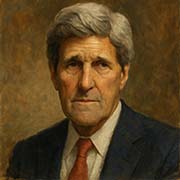
John Kerryan American politician who served as a US senator and later as Secretary of State.
Felix Dzerzhinskythe founder and first head of the Cheka, the Soviet secret police, after the 1917 revolution.
A common myth about the Flamekeeper
"The Flamekeeper is a dreamer with their head in the clouds who isn't cut out for real life,"people say. They see the daydreaming and fill in the rest. The Flamekeeper is often the first to joke about their own impracticality.
What this mind watches is timing and people. The Flamekeeper notices when a situation is ripe and when trouble is coming. They usually have a fallback ready and can turn a blow aside before it lands. They read a room fast and know how to shift a mood or move a group.
The weak spot is real and narrow: figures, checking and following through. That's a weak spot, not a general inability to cope with life. Given a task they care about and a setting that suits them, they get it done.
Questions about the Flamekeeper
On this site the type is called the Flamekeeper. In MBTI the same type is INFP. The socionics name is Yesenin, and in Jung's line it's known as IEI, also written Ni-Fe.
All these systems grew out of Jung's research. They describe one kind of mind in different words, so there's no need to decode the letters one by one.
No. A test result is a working version of the type, and it can be refined. The type itself stays the same. Read from the meaning of an adult's speech, it doesn't change.
What changes over the years is style. With age the Flamekeeper gets choosier about company. A tired day looks different from a cheerful one, but the way attention works stays put.
Mood reaches the Flamekeeper before anyone puts it into words. A tone, a glance or a pause registers before the other person knows they've said anything. People rarely see how much the Flamekeeper picks up, so the reaction seems to come from nowhere.
Two things hit hardest: rough treatment and doubt about their competence.
Partly. Money and household order don't come naturally, and a beautiful thing can override caution. That's a weak spot in one area of the mind, and it says nothing about character.
What they do get done tends to turn out better than they expect. Most manage by leaning on someone organized and by keeping systems simple.
Two things pull in the same direction. This mind waits for a situation to ripen and starts moving when it feels the time has come. Once they've started, the work itself costs a lot, because routine, detail and checking wear them out.
A clear goal and a steady person alongside make starting easier.
Next steps
What stands out in the Flamekeeper is a feel for how events are developing and for the mood of the people involved. Their strengths come out most fully beside someone firm and dependable, who sets a direction and takes the practical side in hand.
With that support, their sense of timing and their gift for atmosphere get put to full use.
The doubt won't go away on its own. A type assessment from your speech settles it
You can reread the page, you can take five more tests, and the doubt will still be there. Start with our free ten-minute test. If you still have doubts after that, a type assessment from your speech settles the question. For good.
There are two books about the Flamekeeper. The Premium Profile ($10) is about 60 pages in 11 chapters. They cover what moves a Flamekeeper, what they fear, and how they work and love.
Master Relationships ($30) is a set of two books. "A Relationship Guide to the 16 CoreTypes" covers the Flamekeeper's relationships with every type. "A Field Guide to the 16 Types" teaches you to recognize a type from speech.