The Craftsman notices how things feel. Without any effort they pick up what's comfortable and what isn't, both in their own body and in the people around them. Between pleasant and unpleasant there are many shades, and their mood follows those shades closely. A pleasant moment stays with them for a long time.
They also have a practical feel for how to get a thing done. They look for the simplest way to a good result, the one that costs the least effort. A big job gets broken into steps they can manage. They judge work by what it achieves and have little patience with effort that leads nowhere.
From outside they come across as calm. They work steadily and like to show how something is done. They're quick to notice when someone nearby is physically uncomfortable. Reading the mood behind a strong emotion takes them far longer.
What they tend to lack is a feel for what might come next. New prospects and fresh ideas rarely occur to them on their own. So they're drawn to lively, hopeful people who bring those possibilities and say plainly who's trustworthy and who isn't. Next to such a person, the Craftsman feels encouraged and shows what they can do.
An inner feel for the links between things shapes perception, and it usually holds even when outside signals disagree.
The Craftsman tends to have firm views and a private code, and both can differ from what most people accept. What others think of them usually matters little. Agreeing in a conversation doesn't always mean they've changed their mind. They keep old friendships going and are slow to part with anyone, and a parting is usually their own decision.
2 of 4
Sensing and intuition
Physical well-being usually registers before anything else, along with whether a place feels pleasant to be in, and much depends on that.
The Craftsman usually tries a new subject out in practice before they read about it. Unwanted touch bothers them more than it bothers most people. They get to know a person through time spent together. Saying what someone is like to be with comes easier to them than describing that person's character.
3 of 4
Logical and ethical
Hunches and impressions usually get checked against how things really stand before they're trusted.
Before a task the Craftsman tends to run through a few options and settle on the most economical one. They like to explain things clearly and give advice on how a job is done. They count the cost and rely on common sense, so slogans and big words usually leave them unmoved.
4 of 4
Irrational and rational
One impression or task gives way to the next without sharp edges, and an unexpected turn is usually taken in stride.
The Craftsman stays with a task until it's right. Once they've mastered it, their interest tends to drift on by itself, and long repetition wears them out. A subject that has lost its pull gets dropped, and something new takes its place.
The most accurate free test for the 16 Jungian types
Ten minutes, and you'll know your type. The test looks at how you phrase your thoughts. The type in your speech doesn't change, so you only need to take it once. Your result shows the accuracy for each of the four scales.
Every type has eight functions, each in its own position. The position shapes how a function behaves in daily life. Some work by themselves all day, and others are used on purpose. Some need a push from outside, and one is a sore spot.
Valued functions
A person treats all four of these functions as their own, but in two different ways. In two of them, the person is strong and self-reliant. In the other two they're weaker, so they gladly accept help and notice people who are strong in them.
Much of what the body reports falls under this function. Taste, smell, touch, tiredness and ease belong here, along with how comfortable a place feels. It's the Craftsman's leading function, which runs all day without being switched on. Usually they don't even notice it.
What it registers is fine-grained. Things have to feel right to the eye, hand, nose and tongue at once. A smell, a color or a taste can bring back a pleasant moment as if it were still there. They notice hunger, tiredness or tension in other people before anyone mentions it. Staying indifferent to that is hard for them.
They like things simple, natural and light, without clutter. They get rid of what they don't need and manage with little. They look after their body with food, movement and rest, and they like feeling healthy and strong. Time in nature gives them energy.
The price is a sensitivity to their surroundings. A sharp smell, harsh light, noise, a crowd or an unpleasant tone gets to them sooner than to most people. Their mood sinks, and the first impulse is to move away from whatever unsettles them and find a better spot.
What works is the question here, including exact knowledge of a subject and how things are made and mended. It also covers whether the effort pays off. At the creative position the Craftsman uses it on purpose, as a working tool. It delivers what the leading function wants, which is comfort, usefulness and good looks.
Their method is to split a big job into manageable stages and find the route that costs the least effort. Before starting, they get the workplace and the tools ready. Then they work slowly and thoroughly, and the process matters to them as much as the result.
They know their materials, study the best work in their field and keep getting better. They explain clearly and like to show how something is done, sometimes with an audience. Fixing something others have written off appeals to them. Once a thing is past saving, though, they let it go without regret.
Their standards are high, for their own work and for other people's, so their praise is hard to earn. Work with no practical use rarely holds them, and putting effort into a bare idea goes against the grain.
Among other things, this covers how people stand with each other. That means closeness and distance, and who can be trusted. At the mobilizing position it works gladly, but it needs a nudge from outside. The Craftsman comes alive here once someone else sets the tone.
They're glad of a chance to make friends and usually start with a favor. Practical help is how they get to know people and show goodwill, with little said about it. Words rarely come first. They wait for a reason and a friendly response, and they're happy to follow someone else's lead.
Easy friendship, freely given, comes naturally to them, and children tend to take to them at once. Fixed rules about distance and lists of duties put them off, and hearing intimate matters named outright makes them wince. Duty spoils company for them. A dutiful visit full of reproaches is among the hardest things for them to bear.
Moralizing gets nowhere with them. What brings out their best is someone who sees the good in them.
They judge people mainly by tact and by kind, useful deeds. Acquaintances find them obliging and friendly, yet only a few get close, because they see themselves as too trusting. Those few are trusted completely, and where there's no mutual understanding, trust is missing too.
This field is about what could still happen. An untried angle, an unused talent and a hunch about how things will turn out all belong to it. Its position is suggestive, so the Craftsman is glad to get it from others and rarely produces it alone.
Their own forecasts about people and projects tend to come late. Someone close may reveal their character only after a quarrel, and the Craftsman's own character can stay a puzzle to them. Their read on a person's prospects depends on how decent that person seems.
Fresh ideas and unusual methods from outside spark their interest and lift a sagging mood. They respect people who grasp the essence quickly and put it in a few words. Someone who can find a way out of a tight corner earns the same respect. Other people's authority and success sway them.
They need a person who sees what they're capable of and encourages them. Without that, their interest fades and the drive to try something new goes with it. Being challenged to "prove what you can do" annoys them, as does a comparison with someone more successful.
Unvalued functions
Here confidence and interest part ways. Two of these functions come naturally, without a second thought and without any need for praise. With the other two, the person goes by the book and doesn't aim for more. But under pressure from others, one of those two is where it really hurts.
Mostly it surfaces when a view has to be defended. It's about how an argument runs, how the parts of a topic fit and what follows from what. At the demonstrative position it stays out of sight. The Craftsman calls on it as a conversation demands, without any system behind it.
Usually they say little. Once the talk turns to how something works, though, they hold their ground and want their view acknowledged. They build an argument as they go, out of what they've read and heard. Formal rules and ready-made schemes make them skeptical, so they apply logic case by case.
With color, shape or the balance of a composition, they become precise and serious, without showing off. Much of the arguing is also play, a way to spend time with someone and win a bit of attention. They're sensitive to fairness, and unearned rank or privilege irritates them.
They dislike seeing theory put above fact. Being lectured, or corrected in front of others, annoys them too. A hint that they don't know the subject is the quickest way to put them on the defensive.
Force and will are the territory here. That includes pressure and resistance, and who stands firm and who gives way. At the ignoring position it's strong, but the Craftsman rarely leans on it. It works as a boundary they hold when pushed, and they seldom push anyone themselves.
A bare command gets little out of them, and the thing tends to get done their own way. The harder someone pushes, the firmer they get. Under heavy pressure they leave quietly, and they don't come back as long as the pressure lasts. They can endure a hard test, but they won't submit.
A kind request works, even a persistent one, and so can a hint. Direct pressure makes them dig in. They're quick to judge how strong an opponent is, and if they doubt they'd win, they step back. They fight for what's theirs only when it's a matter of principle, and then they hold firm.
A sudden intrusion on their private ground or a public humiliation can draw an unexpectedly sharp response. Pressure brings tension, irritation, sometimes fear, and a wish to get out. Most of the time they're soft-spoken and easygoing, and they often don't realize how solid their quiet refusal is.
At its core this is time felt as a flow. It covers where things are heading, how events connect and how long they last. At the role position it's available when a situation calls for it. It costs them effort, though, and doesn't come by itself.
Their attention stays on what's close at hand. Near tasks suit them better than long projects, and tactics come easier than strategy. Their time goes to what's pleasant and interesting, and gaps get filled with favorite work, friends and quiet reflection. They like an unhurried rhythm with room to adjust.
Being hurried tends to slow them down, and a real reason speeds them up. Gloomy forecasts and talk that stirs up worry about the future annoy them. As a rule they avoid precise promises, and their answer to "when?" is often vague. Still, what they've promised usually gets done.
They tend to see their own plans in a hopeful light and other people's with doubt. At times they worry about missing the right path in life, and they feel that a lot comes down to luck.
It concerns feelings shown openly and how strongly they come out, from quiet to stormy. This is the vulnerable position, the Craftsman's sore spot. Strong emotions, their own or anyone else's, make them stiffen. Reading the mood of a room isn't their strength.
They like their emotions to match a pleasant physical state. A storm of feeling nearby spoils their ease, and so does a dull flatness. They're afraid of looking out of place or ridiculous when feelings are on show, so they keep their own to themselves. The harder they're pushed to open up, the less they show.
Rude talk, a sharp tone and emotional scenes irritate them. When they say something sharp themselves, it's usually a reply to someone else's tactlessness. Criticism of their behavior is painful, but they don't let it show. They dislike being needled just to see whether it hurts.
A blow-up after long restraint is rare, and when it comes, it wears them out, and regret usually follows. There's a strength here too. In a dangerous situation they stay calm, and a warning of danger makes them curious.
See yourself in this? That's only the beginning
You may have known much of this about yourself already. Where it comes from is usually unclear. The Premium Profile answers that question.
It has 11 chapters and about 60 pages on what drives the Craftsman and how they work, love and grow. Once the causes have names, it's easier to build work and daily life around yourself.
Their leading function, a feel for what's comfortable, quickly shows them what a place needs to feel right.
The same feel for the body keeps their eating, movement and rest on track.
The creative function (Practical Logic) breaks a job into steps and finds the way that costs the least effort.
That practical side has them study good work and keep improving, so quality comes naturally.
Their sense of force and will is a strong side they rarely use, and it lets them stand firm when pushed.
The demonstrative function, which handles arguments, makes them quick to notice rank or privilege that nobody earned.
Weaknesses
The mobilizing function, which handles closeness, needs a prompt, so partners often can't tell how they feel.
That same function resists obligation, so they may let down people who expect a firm commitment.
The suggestive function, their weak sense of possibilities, wants outside support, and without it confidence and interest fade.
The role function, their sense of time, keeps attention near, so distant plans take effort and promises can look unreliable.
The vulnerable function, which deals with strong emotion, makes them freeze, so people who expect visible feeling may think they don't care.
The same function makes them keep a grievance to themselves for a long time and rarely say what bothers them.
Careers and money
The Craftsman is often the one who knows the materials and brings work up to a high standard. In a process, they belong at the stage where quality is decided. That means building and finishing, and turning a new idea into something that works. They also suit planning the steps and checking that everything is ready.
Their pace is steady and unhurried. They tend to prepare at length, gather what they need to know and test things first. Getting started often takes a while, but once they're going, they see a job through to a good result. They also check other people's data for themselves.
With colleagues they work as equals and do what was agreed, as long as it makes sense to them. Openness and clear terms matter more to them than formalities. A boss who explains gets cooperation. A boss who only gives orders tends to get a stubborn employee, because an illogical instruction gets done their own way.
In charge, the Craftsman tends to be supportive. They make sure a task is within a person's reach and help that person grow. Sensible arrangements and fair terms are how they hold a group together. Many prefer the middle rungs of the ladder and do better leading a small team than a large one.
Tangible results motivate them, such as decent pay, good conditions and a comfortable workplace. Work done for an idea alone, with no practical return, rarely appeals to them. Constant rush, jockeying for status and duties beyond what was agreed wear them out. In a crisis they tend to stay calm and look for a way to buy time.
With money they're thrifty and careful, and they tend to repair before they replace. They compare quality and price themselves and keep the choice in their hands. They prefer calculation to risk, which suits both a steady job and a small business. Pay matters to them, though for friends they'll often work for free if the work satisfies them.
Love and closeness
Love tends to begin with a deed. The Craftsman helps with practical things, stays nearby and doesn't name the feeling first. They follow the other person's first move, or they set things up so that closeness can grow by itself. What they look for is calm, an even tone and someone pleasant to be near.
At home their care is practical. They look after comfort and health and keep daily life running smoothly. They tend to notice when someone close is worn out. With children they're patient and easygoing, and they quietly protect whoever is weaker.
Ingratitude is among the hardest things for them, along with a partner who shows no interest in how they feel. When they're blamed for something they didn't do, especially in public, they don't defend themselves, but they remember. Where mutual understanding is missing they tend to be jealous, though they show little of it. They also fear losing their independence.
Words of love come late, and saying where the two of them stand is hard for them. They tend to joke about love and prove it through actions. The plain words can stay unsaid for a long time.
In a quarrel they go silent and don't justify themselves, and an explosion is rare and heavy. They step away to recover and return later, often unaware of how long they've been gone. A gentle invitation to come back usually works. If a relationship does end, they'd rather part peacefully and stay on good terms.
The Craftsman does best long-term with a partner who gives them room, doesn't press and stays calm when plans change. With such a partner they're caring and open. They're drawn to a lively, hopeful person full of ideas. Such a person sees new possibilities and says plainly how they feel about people and relationships.
Who the Craftsman is confused with
Seer (INTP)
The Seer (INTP) is the type the Craftsman is most often confused with. Both are calm and reserved, both value a solution that works, and from outside both seem unhurried and a little guarded. Many Seers see themselves as practical realists, which is one reason they get taken for Craftsmen.
The difference is where each one's attention goes. The Craftsman lives by how things feel and work here and now, and turns that into skilled work. The Seer follows how events are developing and weighs the risks ahead.
Sentinel (ISTJ)
The Sentinel (ISTJ) gets confused with the Craftsman less often. Both are modest, undemanding and reliable, and both like order, coziness and clear terms. The Craftsman goes by comfort and the simplest way that works, and bends rules to fit. The Sentinel holds to firm order, rules and ranks, and for the Craftsman rank carries little weight.
If you're torn between two types, there's one way to settle it: a type assessment from your speech, recorded or live.
Here is how the Craftsman gets on with each of the sixteen types. Each card gives the general picture of that relationship from the Craftsman's side, plus a detail or two. The blog has detailed articles on every pair. Every pairing has its own pull and its own friction, and none is better than another.
The Harbinger's lively optimism and encouragement make the Craftsman bolder about showing what they can do. The two take turns coming closer and giving each other room, so the Craftsman keeps a sense of freedom. A partner who always gives way soon disappoints them. One with standards of their own keeps the Craftsman interested.
The Sage's warmth and gentleness are a real pleasure for the Craftsman. The Sage often comes back to helping others and to the lessons that helping teaches. The Craftsman likes to help when it's pleasant and interesting. It's easier for them when nobody checks whether the lesson has sunk in.
The two share the same interests, only ranked differently. The Overseer puts work first, and the Craftsman puts rest and comfort first. The Overseer's firm judgments weigh on the Craftsman, and being pushed to work feels like an intrusion. Raised voices are hard to take, and each does best with a place of their own.
Two Craftsmen make easy, quiet company, with an unhurried exchange of remarks. Neither brings much emotion to the talk, so it can go flat, and both feel drawn to someone livelier. Each sees their own strengths and weak spots in the other, which is useful. The friendship is close and leaves a lot of room.
The Catalyst impresses the Craftsman with ideas and projects, and the Craftsman can picture themselves carrying them out. Later some of the ideas seem too abstract to be of any use. The two also argue about methods, each convinced their own is the more practical and the smarter one.
Both are curious and open to new things. The Duke likes to lead, and the Craftsman, unwilling to simply carry out another's wishes, can feel crowded. In shared projects the workload tends to grow without anyone agreeing on pay, and the Craftsman loses interest. Still, they want a place in the Duke's plans.
The Harmonist's calm and solidity attract the Craftsman, and both care about comfort. Their taste in space differs, though. The Craftsman likes things plain and roomy, the Harmonist likes them full, and a crowded place feels tight to the Craftsman. Emotional pressure and reproaches are hard for the Craftsman to take.
Each values the other's friendship and way of working, and they stay friends through hard times. The Seer warns about risks, and the Craftsman is ready to expand the work, but only with guarantees. Keeping score of who put in what annoys the Craftsman. Reproaches for passivity feel like pressure, and what they want is real support.
Both are calm and reserved, and both like coziness and clear terms. The Sentinel's firm rules and ranks are too tight for a Craftsman who prefers to adapt as they go. Reports and routine checks add to that. Rivalry over the surroundings and the rules tends to set in.
The start is friendly and businesslike, and each sees a useful ally in the other. Tastes in surroundings are opposite: the Craftsman wants space and light, and the Warlord's advice on rearranging the place is unwelcome. A commanding tone brings protest, and shouting is remembered. The Craftsman goes quiet and leaves, and the Warlord can take that as betrayal.
The Craftsman tends to drive the relationship, and the Custodian listens closely and admires them. The Craftsman is generous with praise. The Custodian asks for help, guarantees and a clear time frame. The Craftsman gives part of that and puts off the rest. Each takes the other for the ideal partner, and each expects something different.
Respect for the Grandmaster's mind and learning draws the Craftsman in, and they want to learn to think that way. Arguing as an equal doesn't work out. The Grandmaster's approval lifts the Craftsman, but a strict tone wears thin. The Grandmaster looks to the Craftsman for emotional support, and that lands on the Craftsman's most vulnerable spot, strong emotions.
The Executor's trusting nature, capacity for work and business success draw the Craftsman in, and the same qualities can irritate them. The Craftsman tends to soften the Executor's businesslike drive and likes to see the Executor as a helper. Meanwhile they avoid risks themselves. They hope for help with new possibilities, get it only sparingly and take offense.
The Beacon is warm and open and likes to ask questions. A loud emotional push can make the Craftsman feel hemmed in. So can the question "where are you?" They check in more often but say less. Their achievements get a joke or a critical remark in return, and the tasks they're given can be vague.
The Flamekeeper comes across as a gentle, modest companion, and the Craftsman responds with courtesy and offers shelter. A sudden swing from gentle to sharp comes as a shock and puts them on guard. They tend to forgive and pity the other, especially when the Flamekeeper falls silent. Their own freedom still matters more.
The Herald's brightness, talent and artistry attract the Craftsman. Constant high drama is overwhelming, and afterwards the Craftsman can't show any feeling at all. A commanding tone and ideological fervor meet stubborn resistance. The same cycle tends to repeat. The Herald raises their voice, the Craftsman falls silent and leaves, and after a while contact resumes.
Famous Craftsmen
HephaestusGreek god of fire, smiths and craftsmanship, who forged weapons and armor for the gods.
Tiberiusthe second emperor of Rome, who came to power as the successor of Augustus.
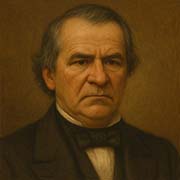
Andrew Johnsonthe 17th president of the United States, who took office after the assassination of Abraham Lincoln.
Erwin Rommelfield marshal of Nazi Germany in the Second World War and commander of the Afrika Korps.
The myth about the Craftsman
"The Craftsman is a silent boor who doesn't care how other people feel,"goes the saying. It's easy to see where it comes from. The Craftsman says little, keeps their feelings to themselves and sometimes answers sharply.
The picture runs the other way. They tend to notice when someone nearby is physically uncomfortable, often before that person says a word. Staying indifferent is hard for them. They're glad to build a good relationship, and they back it with help and loyalty.
What they find hard is the open display of feeling, and strong emotions around them make them stiff and quiet. A sharp word from them is usually a reply to someone else's rudeness. Their care shows in what they do. Anyone waiting to hear it in words can miss it, and that's the price.
Questions about the Craftsman
ISTP is the MBTI name for the type CoreTypes calls the Craftsman. In Jung's terms it's written Si-Te, and in socionics it's Gabin, code SLI. All these systems grew out of Jung's research. Whichever name is used, it points to the same type.
No. A type is the way a person takes in and judges information, and it doesn't depend on age or circumstances. What changes over the years is experience, skills, roles and confidence, and that can make a person seem different.
Results can also differ from one time to another. They catch the mood of the moment, and the structure underneath stays the same.
The Craftsman registers comfort and discomfort in the body and the surroundings all the time. A badly made or awkward thing bothers them sooner than it bothers others.
Their practical side turns that sensitivity into know-how. They learn what a thing is made of, look at the best examples and aim for results that feel right and last. Good work also saves effort, since nothing has to be redone.
Strong emotions around them make the Craftsman stiff, and reading the mood of a room comes hard to them. The feelings are there and run deep: an offense stays with them for a long time, and they rarely mention it. A serious matter often comes out as a joke at their own expense. Their care shows in what they do.
What helps is a quiet setting, time and someone they trust. Probing questions and demands to show feeling close them up.
Their resistance switches on by itself, and the harder someone pushes, the firmer it gets. They don't use pressure on others either. When something really matters, they can stand up for themselves and hold firm. What works is a kind request, a reason that makes sense and room to choose how to do the job.
The Craftsman in short
Much of what makes a Craftsman is quiet and easy to miss, from how they register comfort to how they help. People often overlook these things in themselves, too. Their help tends to arrive before anyone has asked.
The doubt won't go away on its own. A type assessment from your speech settles it
You can reread the page, you can take five more tests, and the doubt will still be there. Start with our free ten-minute test. If you still have doubts after that, a type assessment from your speech settles the question. For good.
The Premium Profile ($10) has 11 chapters and about 60 pages on what drives the Craftsman and how they work and love.
Master Relationships ($30) is two books. "A Relationship Guide to the 16 CoreTypes" shows how the Craftsman gets on with each of the sixteen types. "A Field Guide to the 16 Types" teaches you to recognize a person's type by speech.